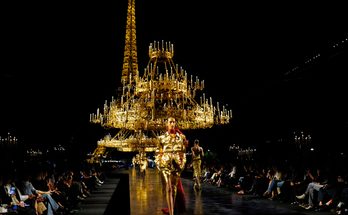
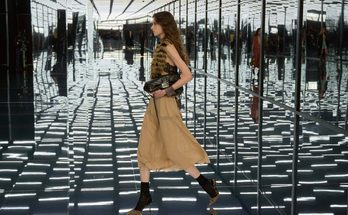
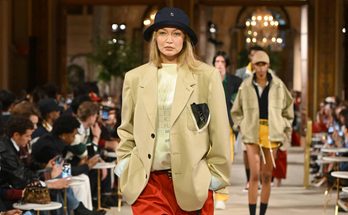
Milan Fashion Week has always been a stage for spectacle, but this season feels like a turning point.

The city is buzzing with new creative director debuts, emotional farewells, and a palpable energy that reminds us why Milan remains one of the most important stops on the fashion calendar. From Demna’s understated Gucci debut to Louise Trotter’s highly anticipated Bottega Veneta showcase, Spring/Summer 2026 is already shaping into a season to remember.
The week began on 23 September with Demna’s soft launch at Gucci – not a runway show, but a Spike Jonze and Halina Reijn-directed short film, The Tiger, hinting at what’s to come for the house under his subversive hand. The following day saw Simone Bellotti step into the spotlight at Jil Sander, opening a fresh chapter after Luke and Lucie Meier’s decade-long tenure. Later in the week, Dario Vitale – formerly of Miu Miu – made his debut for Versace in an intimate yet provocative showcase. And just last night, Louise Trotter introduced her vision for Bottega Veneta, becoming one of the few female voices appointed in the sweeping reshuffles that have defined 2025.
This season’s Milan Fashion Week is as much about honoring the past as it is about embracing the future. With new creative voices stepping into iconic houses and the city preparing to celebrate Giorgio Armani’s unparalleled legacy, S/S 2026 underscores Milan’s role as both guardian of tradition and engine of reinvention.
In short, Milan is not just hosting shows this season – it is hosting history in the making.
As if the excitement of new beginnings wasn’t enough, the week also carries a bittersweet note: Milan is preparing to say farewell to Giorgio Armani, who passed away earlier this month at 91. A tribute show in his honor will close the week, celebrating a career that defined Italian fashion for decades.
Let’s take a closer look at the highlights of the season so far.
Dolce & Gabbana

The Metropol Theatre turned into a high-fashion pyjama party on Saturday, where the audience witnessed a surreal crossover between fashion and film. The cast of The Devil Wears Prada sequel – including Meryl Streep, Stanley Tucci, and newcomer Simone Ashley – appeared in character in the front row, causing a stir that even brought a rare smile from Anna Wintour.
On the runway, Domenico Dolce and Stefano Gabbana extended their “Pyjama Boys” concept from menswear into womenswear. Striped pyjama sets were dripping with oversized crystals, while sheer robes, lace bodysuits, and lingerie-inspired silhouettes injected sensuality into the collection. Footwear moved between extremes: fluffy slippers and sky-high stilettos. As Miranda Priestly herself – or at least Meryl Streep as Priestly – smirked in approval, it was clear that Dolce & Gabbana had crafted a show that was both theatrical and true to their DNA.
Versace

Dario Vitale’s first collection for Versace was staged at the Pinacoteca Ambrosiana, transforming the venue into what looked like the aftermath of a wild night. An unmade bed, empty glasses, and ashtrays set the scene for a collection that merged glamour with raw, lived-in sensuality.
Mini dresses with plunging backs revealed glimpses of underwear, oversized tailoring arrived in vivid colors, and baroque prints mingled with chainmail-inspired metallics. Vitale resisted direct references to Gianni Versace’s archive, instead channeling the house founder’s spirit of rebellion and allure. “It’s about the feeling of Gianni, the legacy of Versace, not just the pieces,” he explained backstage. His debut was both daring and respectful – a bold step for the house’s future.
Max Mara

Creative director Ian Griffiths turned to Madame de Pompadour, the witty and influential muse of Louis XV, for inspiration this season. The S/S 2026 collection, aptly titled “Rococo Modern,” fused 18th-century opulence with the sleek pragmatism of the Max Mara woman.
Think trench coats with dramatic “corona” sleeves, organza petals fluttering across dresses, and floral brocades softened by sharp tailoring. Hair was pulled back with thick black bands, a nod to Pompadour’s coiffure, while the silhouette balanced historic reference with modern polish. It was Max Mara at its finest: intellectual, wearable, and quietly powerful.
Prada

Miuccia Prada and Raf Simons’s latest womenswear collection at the Fondazione Prada explored the tension between uniformity and individuality in today’s algorithm-driven world. Stripping back the set to a stark orange-lacquered floor, the designers framed their vision around the idea of the uniform, reimagined as a source of protection, neutrality, and even elegance. Structured shirts and pleated trousers met playful details like jewel-toned earrings and mock-croc handbags, while flashes of glamour—opera gloves, crystals, and sculptural taffeta—broke through the sobriety. Skirts spliced with ruffles and pleats, as well as draped tops, embodied the designers’ pursuit of “shape without structure.” Ultimately, the collection embraced adaptability and autonomy, offering women the freedom to compose their own identities through clothing, moving away from rigid forms toward a vision of liberation both physical and psychological.
Fendi

At Fendi, Silvia Venturini Fendi infused optimism and playfulness into her second season helming both men’s and womenswear. Set amid colorful block-like seating designed by Marc Newson, the show captured the idea of a “future summer” – nostalgic yet forward-looking.
Sportswear elements dominated: pleated skirts reinvented with toggles, sheer sweatsuits trimmed with shearling, and oversized woven totes in bold primary hues. The beloved “Peekaboo” bag made a return, this time with a sparkling sequin-lined interior. It was a joyful, eclectic vision that showed Fendi’s capacity to blend fun with luxury.