We round-up the most outstanding runway shows so far.

Fashion’s traveling spectacles have become more than just runway shows — they are cultural events that transform cities into cinematic backdrops for luxury storytelling. From the shores of Biarritz to the heart of Hollywood, fashion houses are increasingly staging destination collections that blur the line between tourism, celebrity culture, art, and couture craftsmanship. This season, the cruise calendar unfolded like a glamorous passport stamp, with Louis Vuitton leading the conversation in New York while Chanel, Dior, and Ralph Lauren each offered their own distinct vision of escapism and identity.
Louis Vuitton’s Uptown-Downtown Dialogue

For Cruise 2027, Louis Vuitton brought its traveling showcase to Manhattan’s Upper East Side, transforming The Frick Collection into the setting for one of the season’s most anticipated fashion moments. The guest list alone reflected the scale of the event, with Zendaya, Anne Hathaway, Emma Stone, Cate Blanchett and Chloë Sevigny seated front row beneath the museum’s historic interiors.
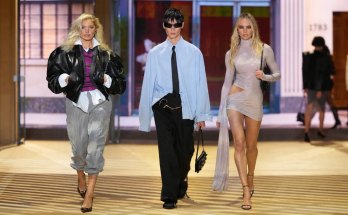
Creative director Nicolas Ghesquière centered the collection around the idea of New York’s duality — the constant tension between uptown polish and downtown edge. That contrast became the framework for the entire runway. Denim, which Ghesquière described as the embodiment of “casual sophistication” in American fashion, appeared throughout the collection in structured and elevated forms. Leather biker jackets collided with tailored ‘80s-inspired silhouettes, while references to boxing shorts and athleticwear sat alongside richly detailed evening pieces inspired by the grandeur of the Gilded Age.
The collection felt deeply American without losing the futuristic precision that has defined Ghesquière’s work at Louis Vuitton. Sharp tailoring in saturated colors echoed Wall Street ambition, while slouchier downtown references brought an effortless cool to the runway. It was a collection rooted in contradiction — polished yet rebellious, nostalgic yet modern.
A particularly moving thread throughout the show was Ghesquière’s tribute to legendary pop artist Keith Haring. After watching a documentary about the artist, the designer became fascinated by Haring’s cultural legacy and his ability to connect street culture with the art world. That inspiration took on new meaning after Louis Vuitton discovered a rare 1930s leather trunk that Haring himself had reworked decades ago.
Haring’s iconic graphics appeared throughout the collection, bringing bursts of energy and symbolism to garments and accessories. Beyond the visual impact, the collaboration carried emotional weight. Haring represented freedom, visibility, and creative expression — values Ghesquière wanted to celebrate through the collection’s narrative. In many ways, the artist perfectly embodied the uptown-downtown story at the heart of the show: a downtown graffiti pioneer who ultimately became embraced by elite galleries and institutions uptown.
Dior’s Hollywood Fantasy

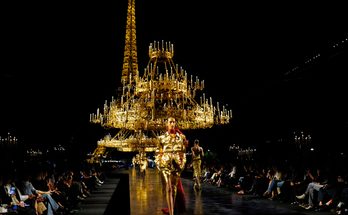
Meanwhile, Dior headed west for its Cruise 2026/2027 presentation in Los Angeles. Against the monumental architecture of the Los Angeles County Museum of Art, creative director Jonathan Anderson continued redefining the maison with a collection that merged cinematic glamour and experimental fashion.
The front row reflected the show’s Hollywood setting, featuring names like Miley Cyrus, Anya Taylor-Joy, Sabrina Carpenter and Jisoo.
Anderson leaned into maximalism this season, pushing Dior’s heritage codes through a more playful and rebellious lens. Bouclé Bar jackets appeared distressed and shredded, denim was punctured and held together with elaborate chains, and accessories ranged from sequined sunglasses to glitter-coated shoes and whimsical ladybird-shaped clutches. Nearly every look carried an element of fantasy.
Hollywood history also played a central role in the show’s narrative. Christian Dior famously dressed stars such as Marilyn Monroe and Elizabeth Taylor, while Anderson drew inspiration from old cinema and the idea of “the dream” that Dior himself believed fashion could create.
The result was a collection that balanced nostalgia with sharp modernity. Pop artist Ed Ruscha contributed graphics for several garments, adding another layer of cultural dialogue to a collection already rich with references. Anderson’s Dior continues to evolve into one of fashion’s most daring and imaginative creative projects.
Chanel Returns to Biarritz

At Chanel, the mood shifted from cinematic glamour to coastal freedom. Creative director Matthieu Blazy unveiled his first cruise collection for the house in the seaside town of Biarritz, where Gabrielle Chanel first opened a couture house in 1915.
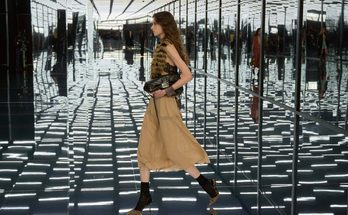
The location also carried personal significance for Blazy, whose childhood visits to the Basque coast inspired the relaxed energy of the collection. Models walked in shimmering fish-scale dresses, oversized raffia skirts, striped swimwear references, and easy daywear designed for movement and spontaneity.
The collection maintained the craftsmanship Chanel is known for while embracing a lighter, more playful spirit. Enormous tote bags and glittering footwear ensured commercial appeal, while the inclusive casting and sense of optimism reinforced Blazy’s growing influence on the industry. Since taking over the maison, he has rapidly built the kind of viral desirability that fuels waitlists and packed boutiques across the globe.